Historical Background
Corfu, known in Greek as Kerkyra (Κέρκυρα), boasts a rich and diverse history spanning over 3,000 years. The island's strategic position in the Ionian Sea has made it a coveted prize for numerous civilizations throughout history.
According to Greek mythology, Corfu was named after the nymph Korkyra, daughter of the river god Asopos. Poseidon fell in love with her and brought her to this beautiful island. The island's ancient name was Scheria, mentioned in Homer's Odyssey as the land of the Phaeacians, who helped Odysseus return to Ithaca.
The island's recorded history begins in the 8th century BC when Corinth established a colony here. Through the centuries, Corfu has been ruled by various powers including:
- Ancient Greeks (8th century BC - 4th century AD)
- Byzantine Empire (4th-12th centuries)
- Venetian Republic (1386-1797) - the longest and most influential period
- French occupation (1797-1799, 1807-1814)
- British Protectorate (1815-1864)
- Greek State (1864-present)
Each civilization left its mark on Corfu's culture, architecture, and traditions, creating a unique blend rarely found elsewhere in Greece. The Venetian influence is particularly strong, evident in the architecture of the Old Town, which has earned UNESCO World Heritage status.
Geography & Climate
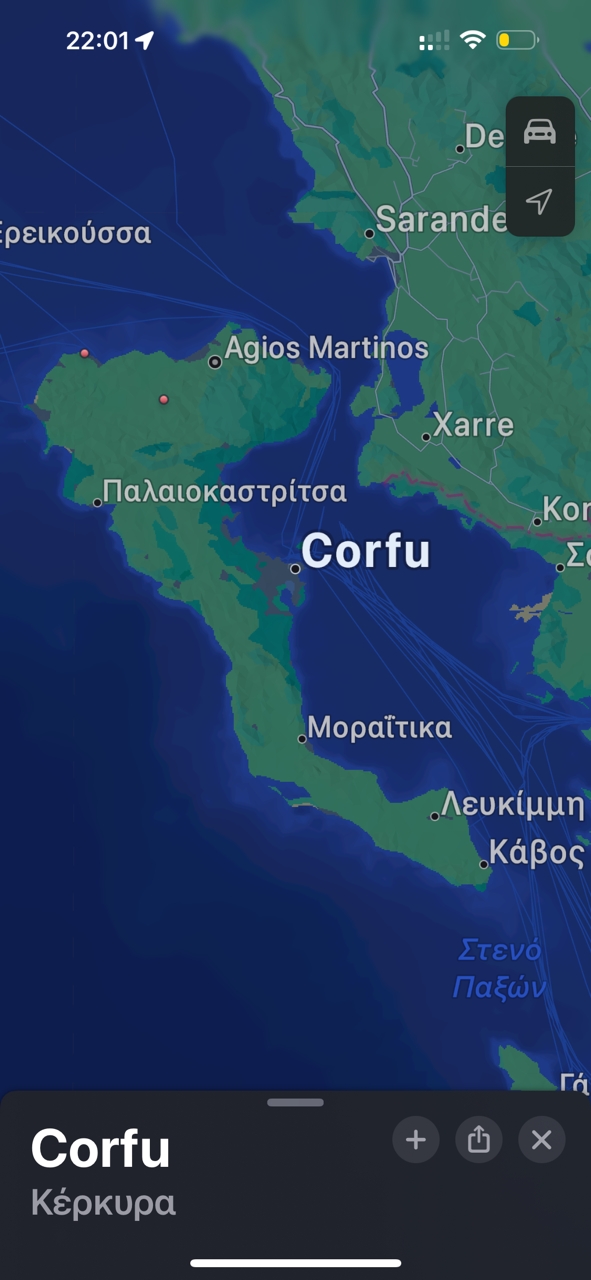
Corfu is the second largest of the Ionian Islands and the seventh largest island in Greece, with an area of 592.9 square kilometers (229 square miles). The island stretches 64 kilometers from north to south and varies in width from 4 to 30 kilometers.
The island's terrain is diverse and beautiful:
- The northern part features dramatic landscapes with Mount Pantokrator (906 meters) as the highest point
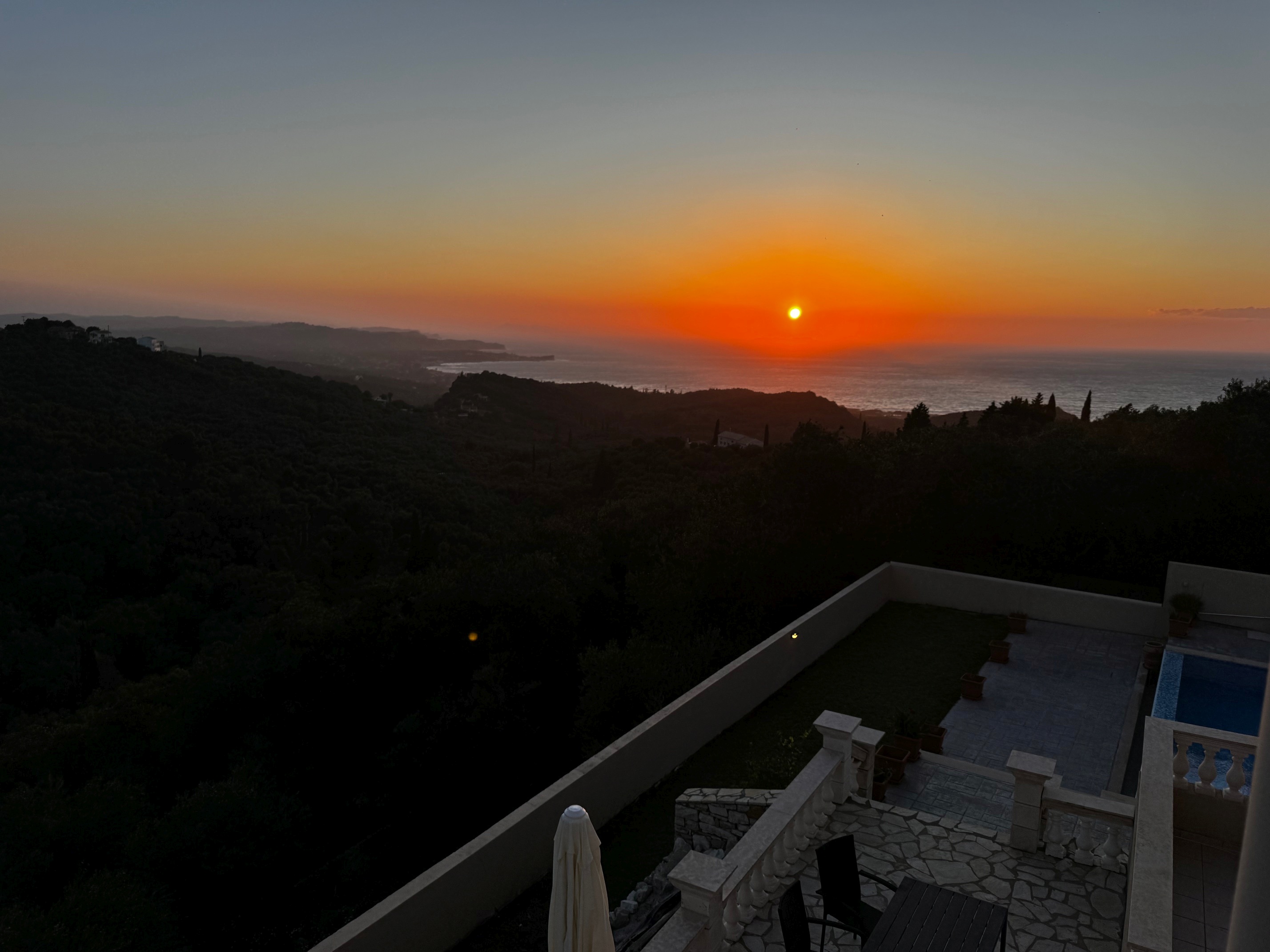
- Central Corfu has rolling hills covered with olive groves and cypress trees
- The southern region is flatter with beautiful beaches and lagoons
- Over 50 beaches ranging from sandy to pebbled, many with crystal-clear turquoise waters
Climate: Corfu enjoys a Mediterranean climate with mild, rainy winters and hot, dry summers. The island receives more rainfall than most Greek islands, which explains its lush, green landscape - earning it the nickname "The Emerald Island." Average temperatures range from 10°C (50°F) in winter to 32°C (90°F) in summer, with sea temperatures reaching 25°C (77°F) in August.
UNESCO World Heritage Site
In 2007, the Old Town of Corfu was inscribed on the UNESCO World Heritage List, recognizing its outstanding universal value. This prestigious designation acknowledges Corfu's unique position as a crossroads of different cultures and civilizations.
Why UNESCO Recognition?
UNESCO recognized Corfu for its exceptional architectural heritage that reflects its multicultural history. The Old Town features:
- Venetian fortifications from the 15th-18th centuries
- Neoclassical buildings from the British period
- French-inspired Liston arcade and Spianada Square
- Byzantine churches and museums
- Narrow streets (kantounia) characteristic of Venetian urban planning
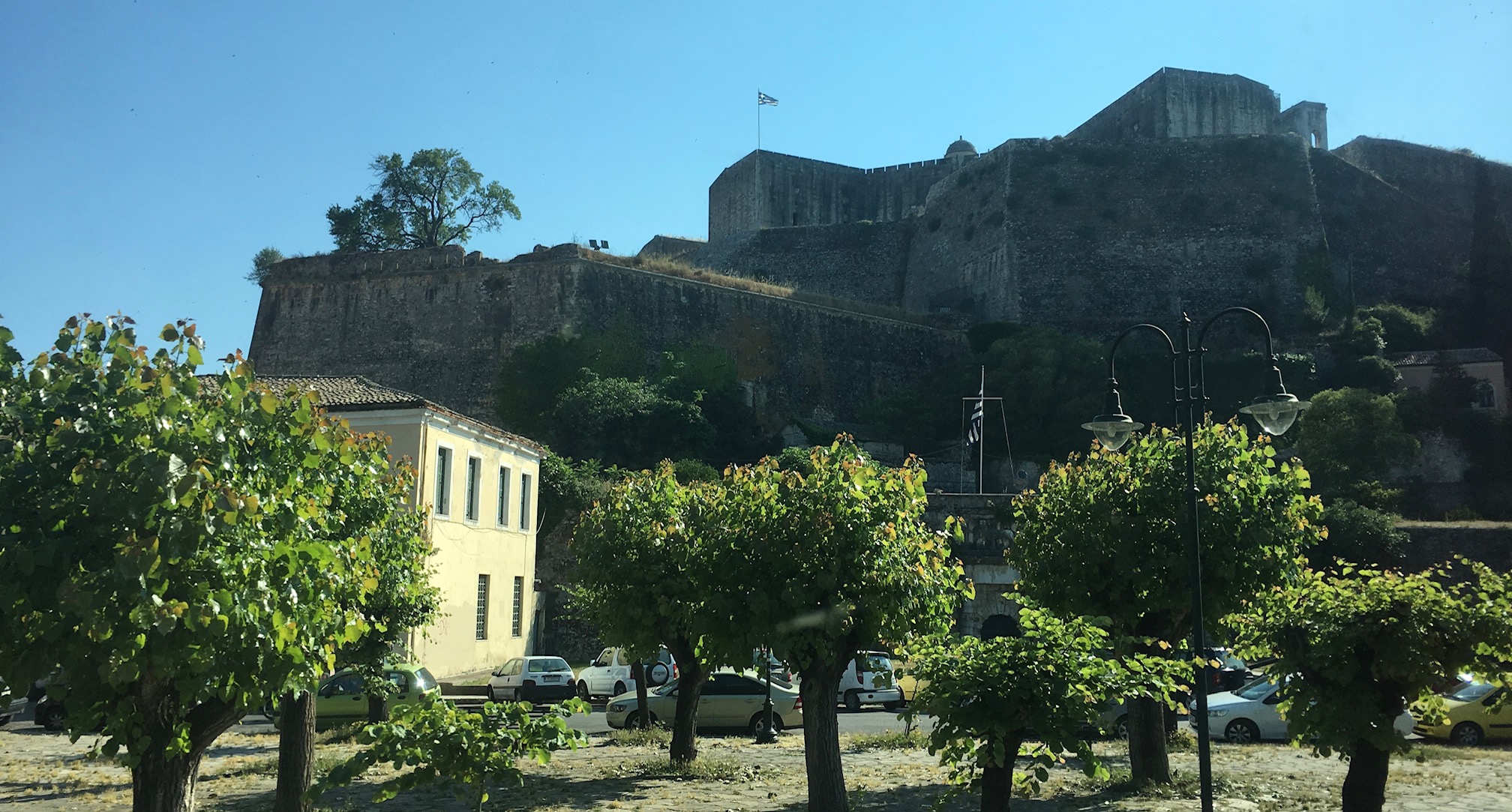
The Old Town is remarkably well-preserved, allowing visitors to walk through centuries of history. The two Venetian fortresses - the Old Fortress (Paleo Frourio) and the New Fortress (Neo Frourio) - stand as powerful reminders of Corfu's strategic military importance.
Local Traditions & Festivals
Corfu's unique history has created traditions distinct from mainland Greece, blending Italian, Greek, and British influences.
Easter Celebrations
Corfu is famous throughout Greece for its spectacular Easter celebrations, featuring unique traditions:
- Pot Throwing (Botides): On Holy Saturday morning, residents throw clay pots from balconies, creating a spectacular crash symbolizing the earthquake at Christ's resurrection
- Philharmonic bands parade through the streets playing solemn marches and joyful music
- The Epitaph processions on Good Friday are particularly impressive
- Traditional Easter foods include tsoureki (sweet bread) and lampropomo (Easter cake)
Music & Philharmonic Tradition
Corfu has a rich musical heritage with 18 philharmonic societies and bands - more per capita than anywhere else in Greece. This tradition dates back to British and Venetian rule and remains vibrant today, with bands performing at festivals, religious processions, and concerts year-round.
Cricket
Unique in Greece, Corfu plays cricket - a legacy of British rule. The sport is played on the Spianada Square, one of the largest squares in Greece and the only place in the country where cricket is regularly played.
Carnival
The Corfu Carnival, influenced by Venetian traditions, features colorful parades, masquerade balls, and satirical floats. It's one of the most vibrant carnival celebrations in Greece.
Quick Facts
- Official Name: Kerkyra (Κέρκυρα)
- Population: Approximately 100,000
- Area: 592.9 km² (229 sq mi)
- Capital: Corfu Town (Kerkyra)
- Language: Greek
- Currency: Euro (EUR)
- Time Zone: EET (UTC+2)
- Highest Point: Mt. Pantokrator (906m)
- UNESCO Status: Since 2007
Did You Know?
- Corfu has over 4 million olive trees - more than 40 per resident
- The island never fell to Ottoman rule, unlike most of Greece
- Kumquat fruit, introduced from China, is cultivated only in Corfu in Europe
- The word "Corfu" derives from the Greek "korypho" meaning "peaks," referring to the twin peaks of the Old Fortress
- Empress Elisabeth of Austria (Sisi) loved Corfu so much she built Achilleion Palace here
- Corfu was the birthplace of Prince Philip, Duke of Edinburgh
Best Time to Visit
While Corfu is beautiful year-round, the best times to visit are:
- May-June: Perfect weather, fewer crowds, wildflowers in bloom
- September-October: Warm sea, pleasant temperatures, harvest season
- July-August: Peak season, hottest weather, all facilities open
- April & Easter: Spring beauty and spectacular Easter celebrations